01
Select process
Match polymer or metal print route to duty cycle and resolution
HC-Mold capability · Dongguan
Additive builds shorten early design loops at HC-Mold. We treat print as a validation and fixture tool — with a clear hand-off into CNC or molding when strength, cosmetics or unit cost demand a production process.
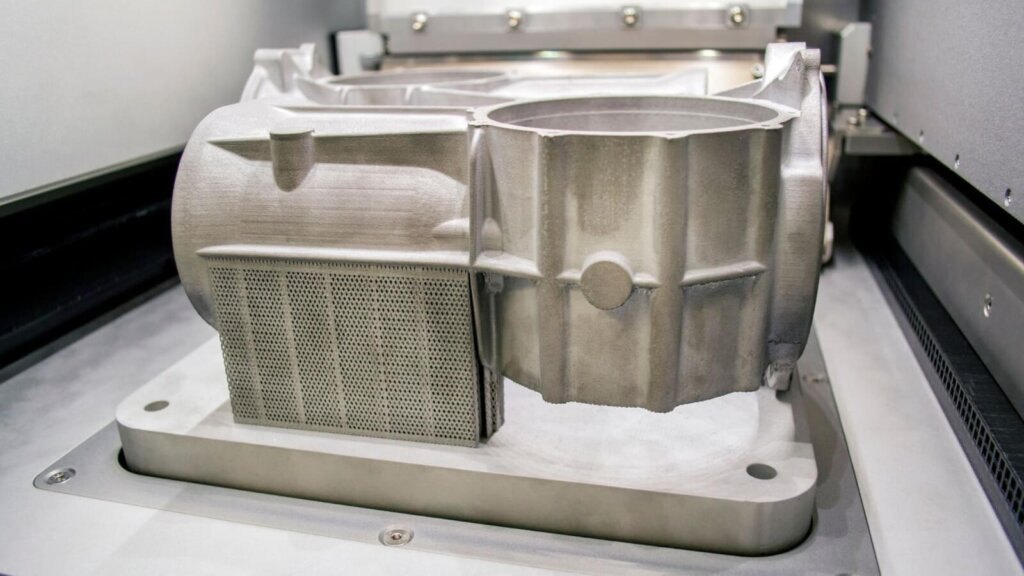
Match polymer or metal print route to duty cycle and resolution
Orientation, support strategy and light post-processing
Gate into CNC, urethane casting or molding when ready
Common engineering polymers for fit checks; metal additive alloys when the geometry justifies powder-bed or related routes. We state build envelope and finish limits in the quote — no marketing “any material” claims.
STEP/IGES/PDF drawings, material callout, volume band, finish target and ship-to region.
Engineering review with process recommendation, risk notes and lead-time options — no instant-CAD black box.
In-process checks, outgoing reports and export packaging from the Chang’an campus.
For low-stress, complex one-offs or fixtures — often yes. Structural, cosmetic or high-volume parts usually move to CNC, casting or molding after validation.
We ask for the decision the part must unlock (fit, drop test, investor demo). That keeps the print plan tied to a next manufacturing step.
3-, 4- and 5-axis milling plus turning for aluminum, stainless, steel, brass and engineering plastics — from first article to repeatable lots.
Soft tools through hardened production molds, with DFM, mold trials and export packing from one Dongguan factory.
Laser cutting, CNC bending, punching, welding and finishing for enclosures, brackets and short-run fabrications.
Send drawings for DFM notes and a dated quote window from HC-Mold engineering.
Contact engineering