01
Master
CNC or print a pattern to the cosmetic bar you need
HC-Mold capability · Dongguan
Urethane casting sits between raw additive and injection molding. When you need tens of plastic parts with better cosmetics than most prints — without opening steel yet — silicone tools and PU resins are a practical bridge.
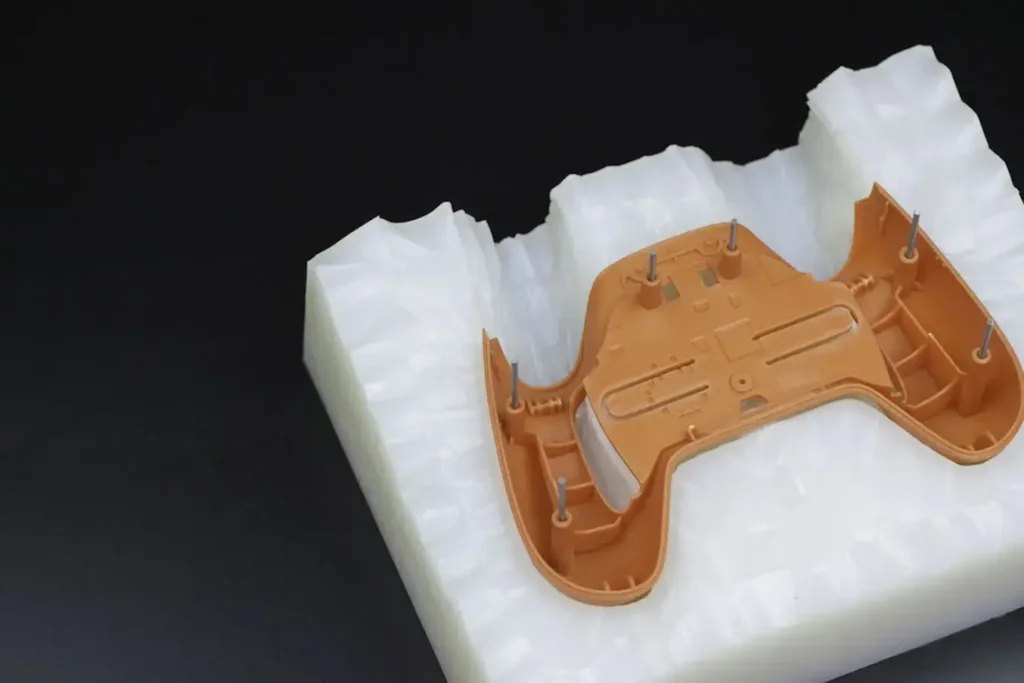
CNC or print a pattern to the cosmetic bar you need
Mold life planned around batch size
Trim, paint or light machine as required
Polyurethane systems selected for stiffness, clarity or rubber-like feel. Resin choice is tied to the question the batch must answer — not a one-size catalog.
STEP/IGES/PDF drawings, material callout, volume band, finish target and ship-to region.
Engineering review with process recommendation, risk notes and lead-time options — no instant-CAD black box.
In-process checks, outgoing reports and export packaging from the Chang’an campus.
Often tens of parts per tool, geometry and resin dependent. We advise tool count during quoting so mid-batch failures do not surprise you.
If annual volume, resin chemistry or texture already demand real thermoplastic molding, soft or steel tools usually win after a short DFM review.
3-, 4- and 5-axis milling plus turning for aluminum, stainless, steel, brass and engineering plastics — from first article to repeatable lots.
Soft tools through hardened production molds, with DFM, mold trials and export packing from one Dongguan factory.
Laser cutting, CNC bending, punching, welding and finishing for enclosures, brackets and short-run fabrications.
Send drawings for DFM notes and a dated quote window from HC-Mold engineering.
Contact engineering