
01
Validate design
CNC or print masters before die spend
HC-Mold capability · Dongguan
When housings need net-shape efficiency, HC-Mold supports aluminum and zinc die casting with tooling discussion, sampling and secondary machining for sealing faces and precision holes. Prototypes often start on CNC so design risk is burned down before dies are cut.
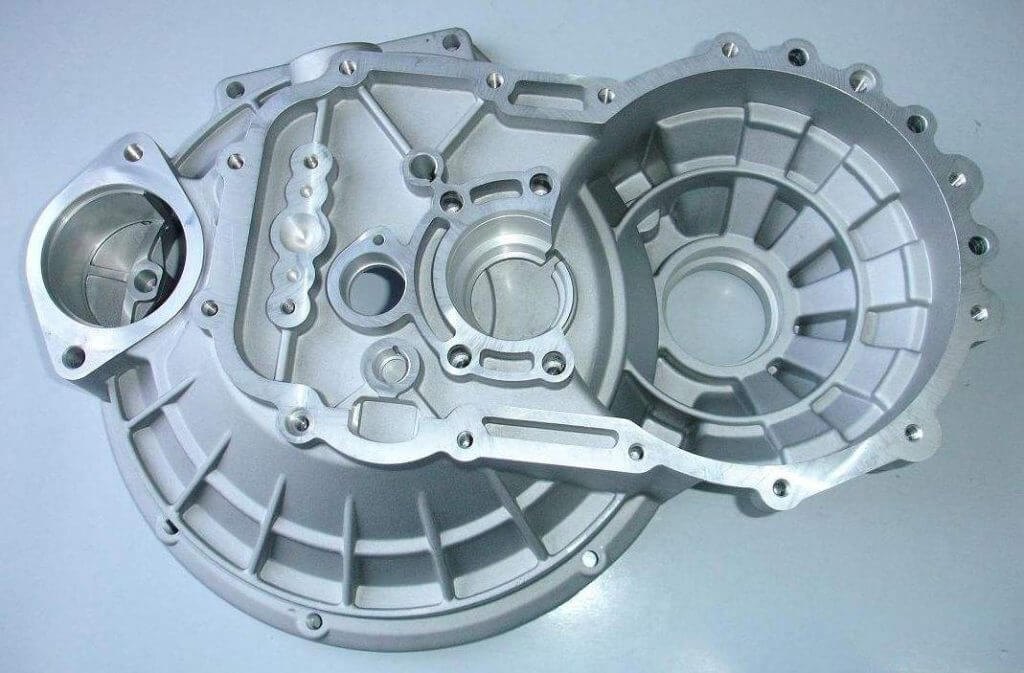
CNC or print masters before die spend
Gate, overflow and dimensional buy-off
CTQ features and coatings
Aluminum and zinc alloys common to enclosure and bracket work. Alloy callouts and porosity expectations belong in the RFQ — not assumed from a generic “die cast” label.
STEP/IGES/PDF drawings, material callout, volume band, finish target and ship-to region.
Engineering review with process recommendation, risk notes and lead-time options — no instant-CAD black box.
In-process checks, outgoing reports and export packaging from the Chang’an campus.
No. Low volume, frequent changes or extreme flatness often stay on CNC or sheet. Casting wins when annual volume and geometry amortize the die.
Usually yes — CNC or printed masters catch packaging and assembly issues cheaply before tooling commitment.
3-, 4- and 5-axis milling plus turning for aluminum, stainless, steel, brass and engineering plastics — from first article to repeatable lots.
Soft tools through hardened production molds, with DFM, mold trials and export packing from one Dongguan factory.
Laser cutting, CNC bending, punching, welding and finishing for enclosures, brackets and short-run fabrications.
Send drawings for DFM notes and a dated quote window from HC-Mold engineering.
Contact engineering